Locked Out of Home: Why the Dream of Putting Down Roots Is Slipping Away
Blog
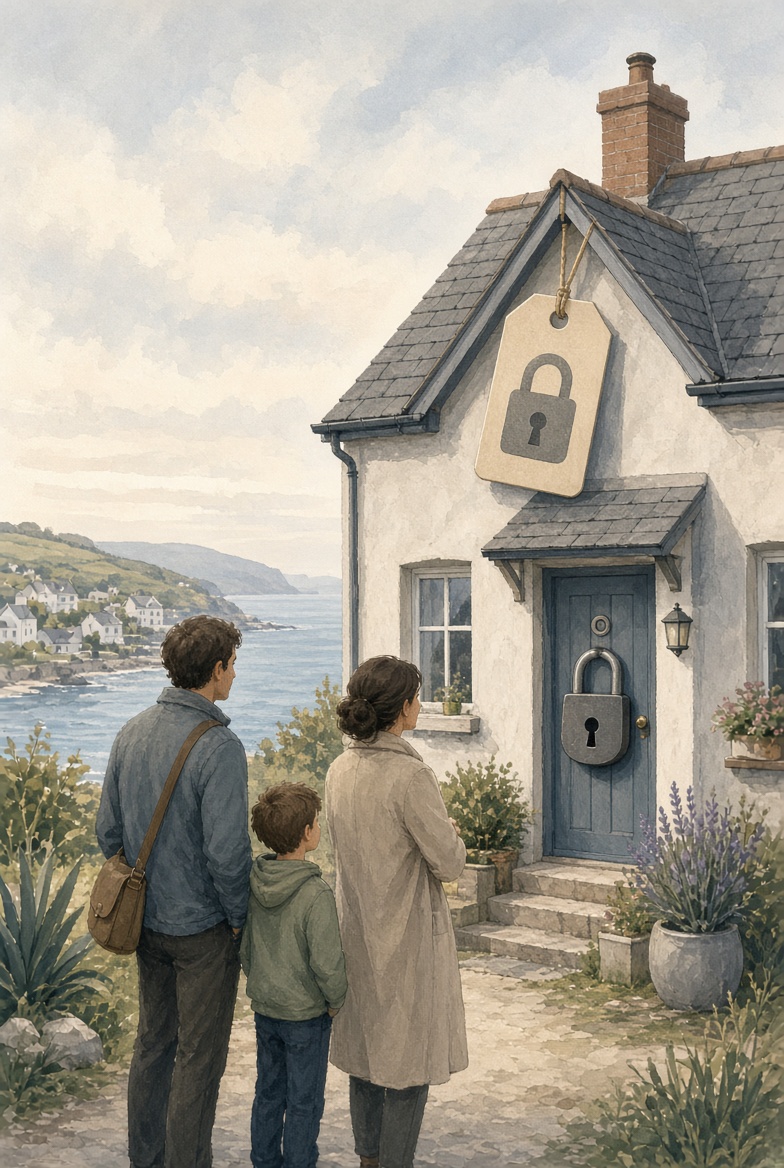
Imagine standing on the street where you learned to ride a bike, where your parents still live, and realising you will never be able to buy a place of your own there. Or picture packing a hospital bag for a new baby while quietly calculating whether the next rent rise will force you to move again — further from family, further from the support network you need most.
For growing numbers of people across the UK, these are not abstract worries. They are the day-to-day reality.
Whether you are trying to buy or rent, the numbers have become brutal. First-time buyers are now routinely facing homes priced at up to eight times their salary. At the same time, older residents watch nervously as pressure mounts to build on green fields they have always known. Mandatory government housing targets continue to be missed by councils up and down the country. A chronic shortage of social housing, combined with high levels of net migration, has pushed demand sharply higher and driven prices further out of reach.
The rental market offers little relief. The Renters’ Rights Act has brought in meaningful new protections for tenants: no-fault evictions are gone, tenancies are now rolling, and landlords can only raise the rent once a year. These changes have been welcomed by many renters. Yet landlords and housing groups warn that the reforms could prompt owners to sell up, shrinking the supply of homes to rent and pushing costs higher still for those who remain.
Nowhere is the squeeze felt more sharply than in places like Torbay. Affordable housing is scarce, rents are already sky-high, and local wages sit below both regional and national averages. Housing targets have been consistently missed. The social housing stock remains far short of what is needed. For families and young people trying to stay in the area they grew up in, the options are narrowing fast.
Any serious attempt to build more homes must be done carefully. Developers should be required to fund the necessary local infrastructure *before* the first brick is laid, and brownfield sites should be prioritised wherever possible. That way new homes can be delivered without simply paving over the green spaces that make places worth living in.
The question now is whether we can close the gap between the homes people need and the homes that are actually being built; before another generation finds itself permanently locked out of the places they call home.